
Reimagining retail: when circular fashion becomes a driver of desirability

There was a time when retail ran on a simple formula: novelty + volume + desirability = growth. That formula is fading. Today, desirability isn’t about endless new drops, it’s about rarity, quality, and lasting value.
In this landscape, secondhand fashion is no longer optional—it’s strategic. Leading brands, from Kering to LVMH, and independents like ba&sh, have grasped it. The question is no longer “should we?” but “how do we do it right?”
- Resale as a catalyst for Desirability
- Desirability: the magnet that captures the consumer’s attention
- Behavioral change driven by contextual factors
- Conclusion
Resale as a catalyst for desirability
The myth that secondhand dilutes brand value is over. Today, it enhances it. Fashion houses have come to understand: just because a garment changes hands doesn't mean it loses its symbolic power. On the contrary.
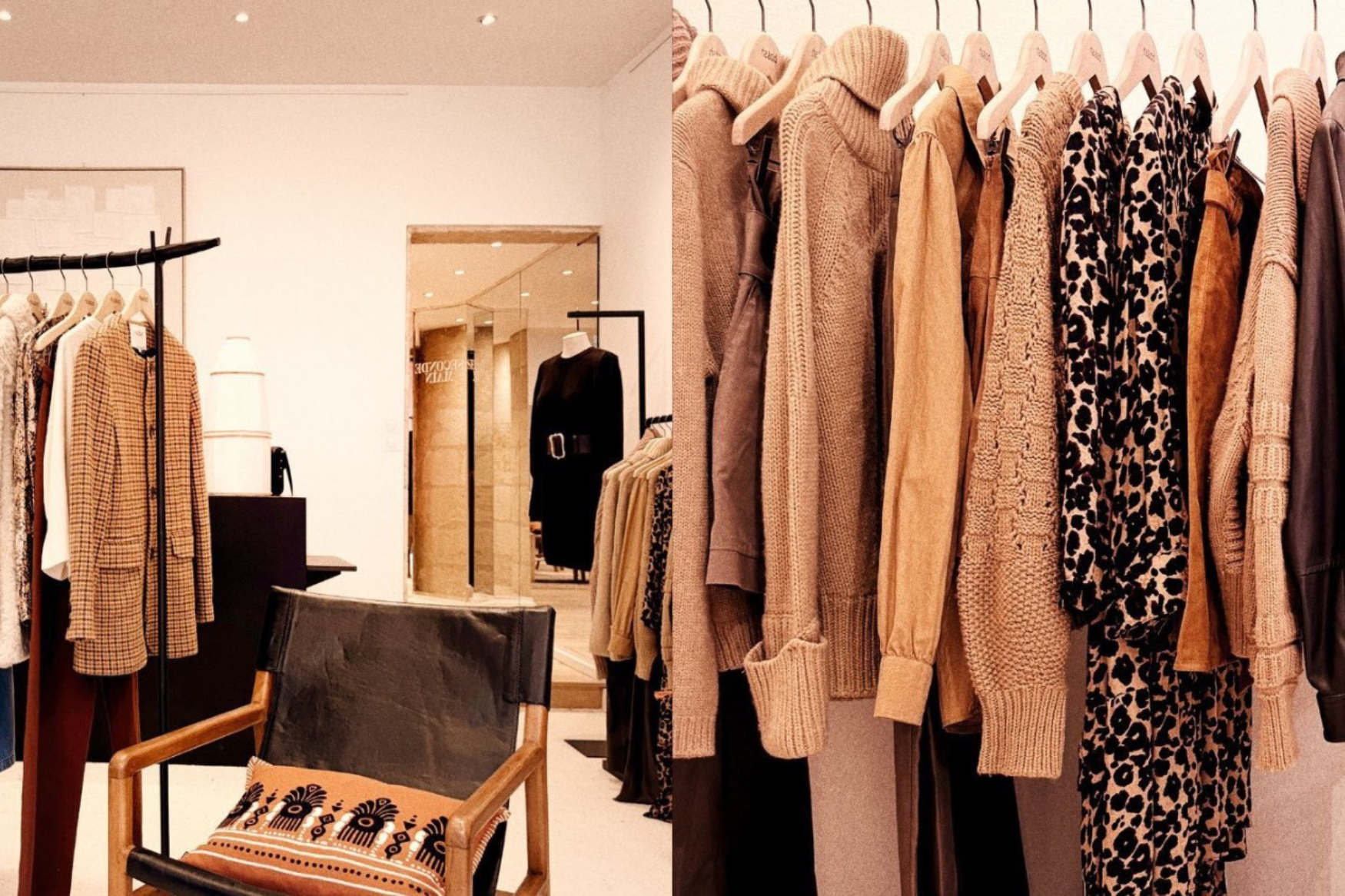
At ba&sh, that intuition has become a conviction. In less than two years, the brand has opened five Parisian pop-ups entirely dedicated to secondhand. The latest, in the heart of the Marais, welcomed customers with a clear message: “Take back, trade in, reinvest.”
The outcome? Secondhand already represents 5% of the brand’s revenue in France over one million euros.
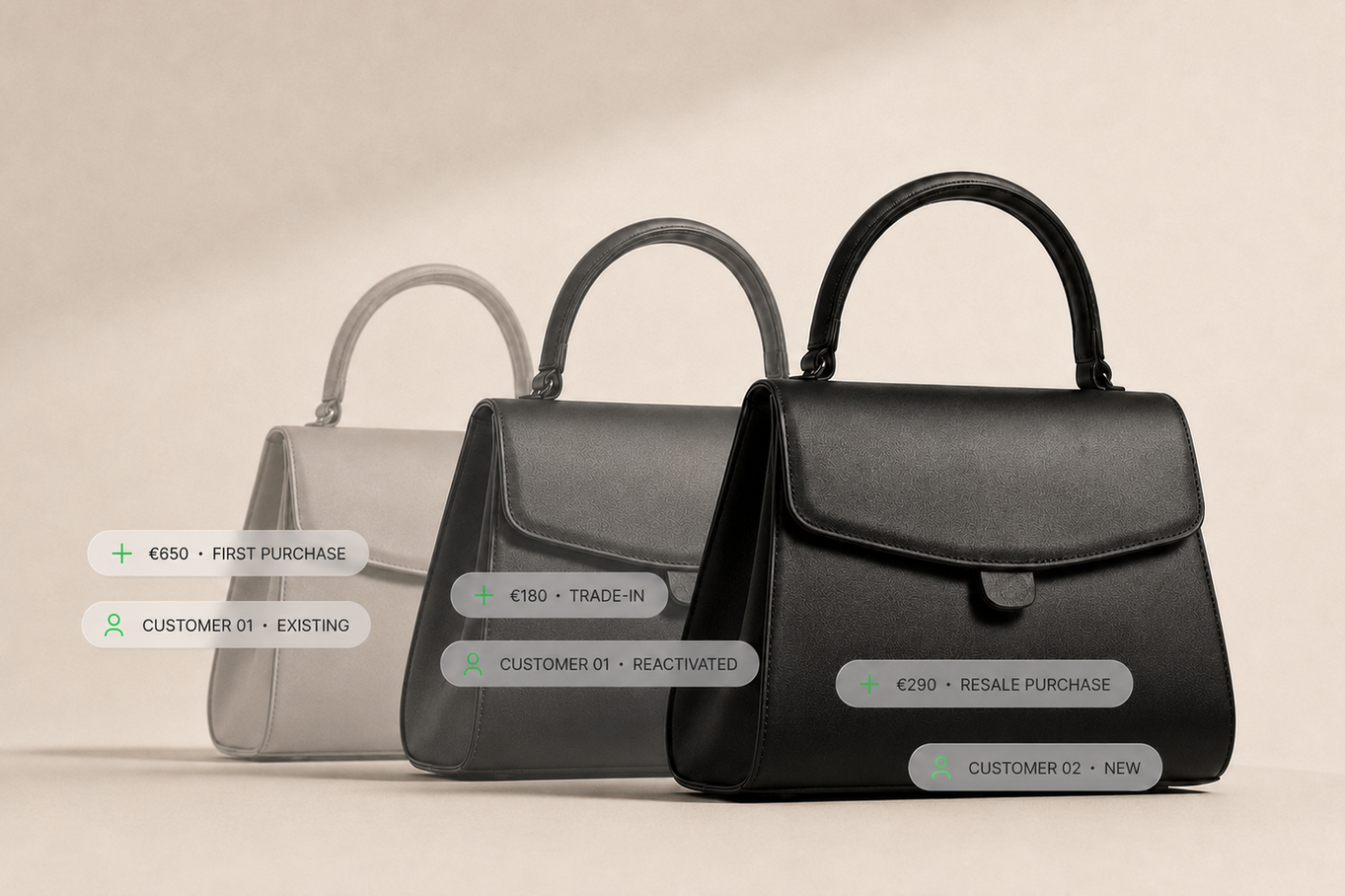
The program, deployed in partnership with Faume, follows a seamless logic: trade-ins for store credit, immediate resale, integration across stores, website, and app. It works because it’s designed to be desirable, because it doesn’t compete with new collections, but extends their value.
Desirability: the magnet that captures the consumer's attention
As one academic study highlights, consumers buying vintage often say, “you never have to worry about someone wearing the same items as you.” This desire for uniqueness underscores the central role of desirability in attracting consumers and differentiating a brand in a saturated market. Desirability today goes beyond novelty or the frequency of collections, it is built on rarity, quality, and perceived value. Products that generate emotional and cultural attachment capture attention and strengthen loyalty. For brands, understanding and cultivating this desirability is a strategic lever: it not only attracts and retains customers but also creates long-term value, transforming each product into a meaningful touchpoint and experience.
Behavioral change driven by contextual factors
Today, 73% of shoppers expect an in-store experience (IFM Panel, 2023), making secondhand fashion a powerful driver of foot traffic, loyalty, and emotional connection. ba&sh illustrates this approach with its pop-up stores: every item dropped off earns an instant voucher, redeemable on current collections. This system, developed with Faume, transforms trade-ins into acts of loyalty and resale into shared commitment, creating a meaningful bond between brand and consumer.Contextual factors are accelerating this shift. France’s AGEC law now prohibits the destruction of unsold goods, digital product passports are being introduced, and ESG criteria increasingly guide investor decisions. In this changing landscape, secondhand is not just a compliance requirement, it’s an economic lever. It reduces end-of-season inventory costs, increases margins through resale, and fosters a sustainable, long-term commercial dynamic.For ba&sh, supported by Faume, secondhand is far from a CSR side project. It is a fully-fledged, scalable, and exportable strategy already implemented in key European markets including Germany, Spain, Belgium, and the Netherlands, proving that circular fashion can be both sustainable and profitable.
The new reality
Yesterday, secondhand was a niche choice. Today, it’s a strategic imperative. The success of certain brands shows that embedding circularity into a brand’s DNA is not just about meeting consumer expectations, it’s about gaining a decisive competitive edge. Desirability is the lever that allows brands to stand out, reconnect with consumers, and drive growth in a landscape that demands constant reinvention.
Circular fashion is more than a trend: it’s a profitable, scalable, and sustainable business model. For brands that embrace it, the measure of luxury is no longer just the products sold, but the value, stories, and experiences that are extended over time.
Experience it yourself → Book a demonstration
See how Faume’s technology empowers leading brands to launch and scale their resale programs with ease.
Book a personalized demo with our team and discover how quickly your resale solution can go live, seamless, efficient, and built for measurable growth.
.png)
.png)


Stay ahead of the game!
Sign up to FAUME's The Secondhand Review newsletter
Read inspiring stories from brands that have successfully launched their secondhand businesses with FAUME